|
I am a first-year PhD student in Computer Science at University of Illinois Urbana-Champaign (UIUC), co-advised by Prof. Jimeng Sun and Prof. Quanzheng Li from Harvard MGH. Prior to that, I received my Master's Degree from Carnegie Mellon University and my Bachelor's Degree from Southeast University. My research interests include Agentic AI, RL, Parameter Efficient Fine-Tuning. I am actively seeking Summer 2026 Internship! Email: zhiyis3 [AT] illinois [DOT] edu CV / Google Scholar / GitHub / LinkedIn |

|
|
|
|
(*Equal Contribution) |

|
Pengcheng Jiang*, Jiacheng Lin*, Zhiyi Shi*, Heng Ji, Yejin Choi, Dawn Song, Jimeng Sun, Jiawei Han [Arxiv] [Repo] This paper provides a comprehensive framework for Agentic AI adaptation, categorizing how systems evolve to handle complex tasks. It introduces a unified taxonomy that distinguishes between Agent Adaptation (refining the model's internal reasoning/planning) and Tool Adaptation (optimizing external components like APIs and memory). By analyzing trade-offs in cost, modularity, and generalization, the work offers a practical roadmap for building more reliable and autonomous AI agents. |

|
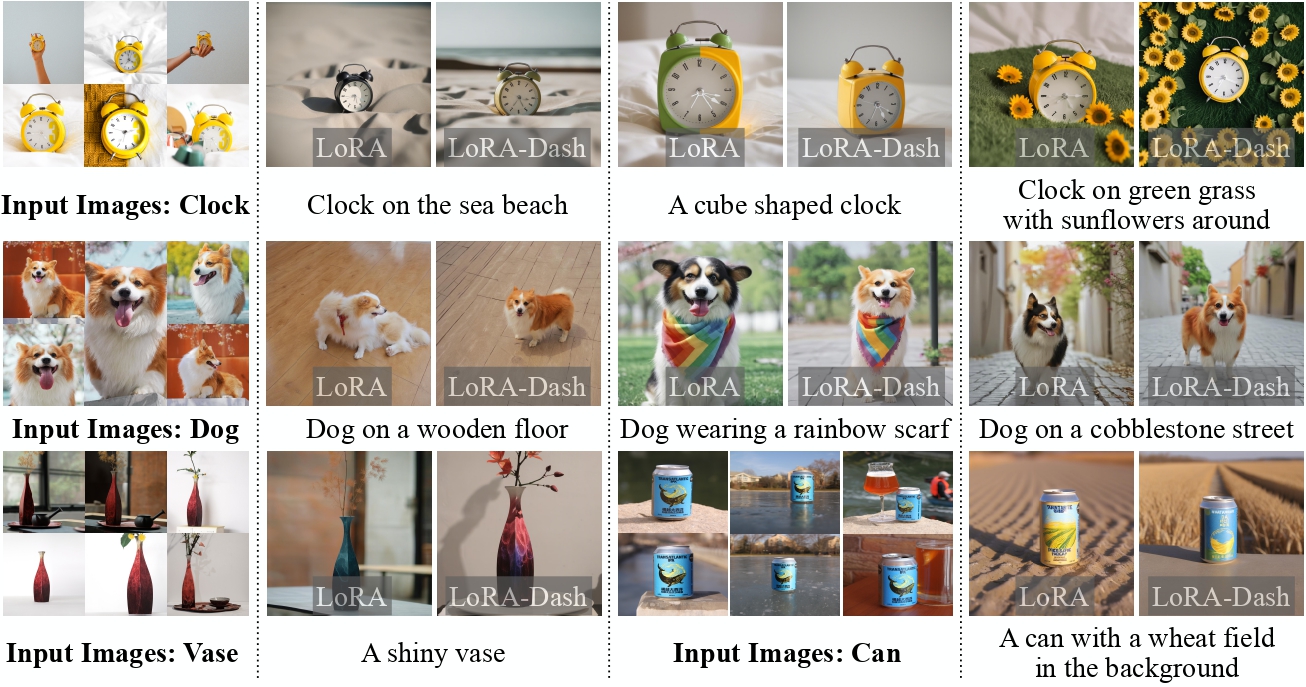
Chongjie Si*, Zhiyi Shi*, Shifan Zhang, Xiaokang Yang, Hanspeter Pfister, Wei Shen IEEE Transactions on Pattern Analysis and Machine Intelligence (IEEE TPAMI), 2025 [Paper] [Arxiv] [Code] We study task-specific directions (TSDs) as the key subspace that drives performance gains in parameter-efficient fine-tuning, and propose a unified framework to define, analyze, and utilize these directions in PEFT. Building on this insight, we introduce LoRA-Dash and LoRA-Init, and further combine them into LoRA-TSD, achieving consistent and significant improvements over standard LoRA across extensive experiments. |
|
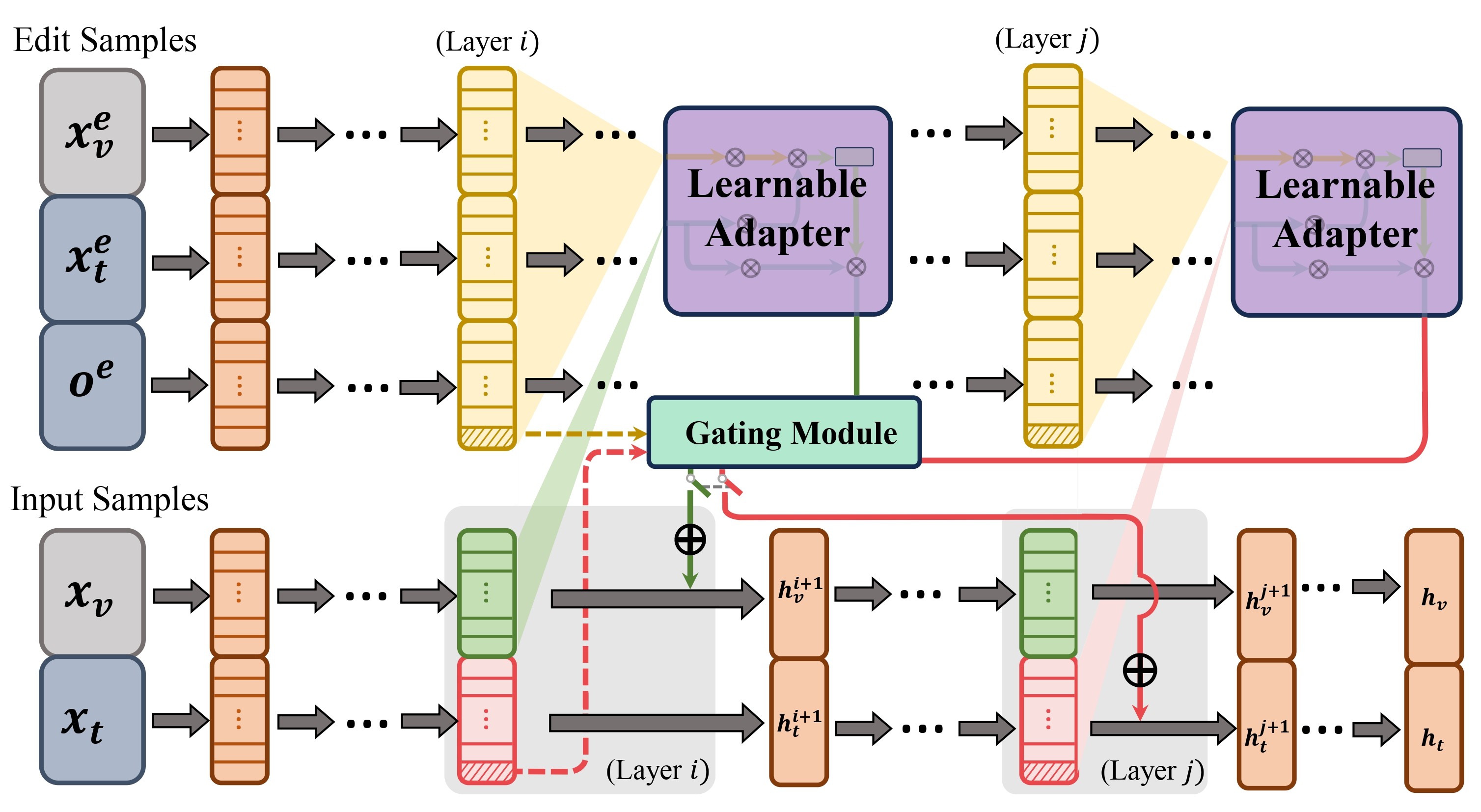
Zhiyi Shi*, Binjie Wang*, Chongjie Si, Yichen Wu, Junsik Kim, Hanspeter Pfister Conference on Language Modeling (COLM), 2025 [Paper] [Arxiv] [Code] DualEdit edits both textual and visual modalities in vision-language models at their most sensitive layers. A gating mechanism in the textual modality enables knowledge updates without harming the model's original abilities. |
|
Chongjie Si*, Zhiyi Shi*, Shifan Zhang, Xiaokang Yang, Hanspeter Pfister, Wei Shen International Conference on Learning Representations (ICLR), 2025 [Paper] [Arxiv] [Code] We propose LoRA-Dash, a framework that leverages task-specific directions (TSDs) to maximize fine-tuning efficiency and improve task performance. |
|
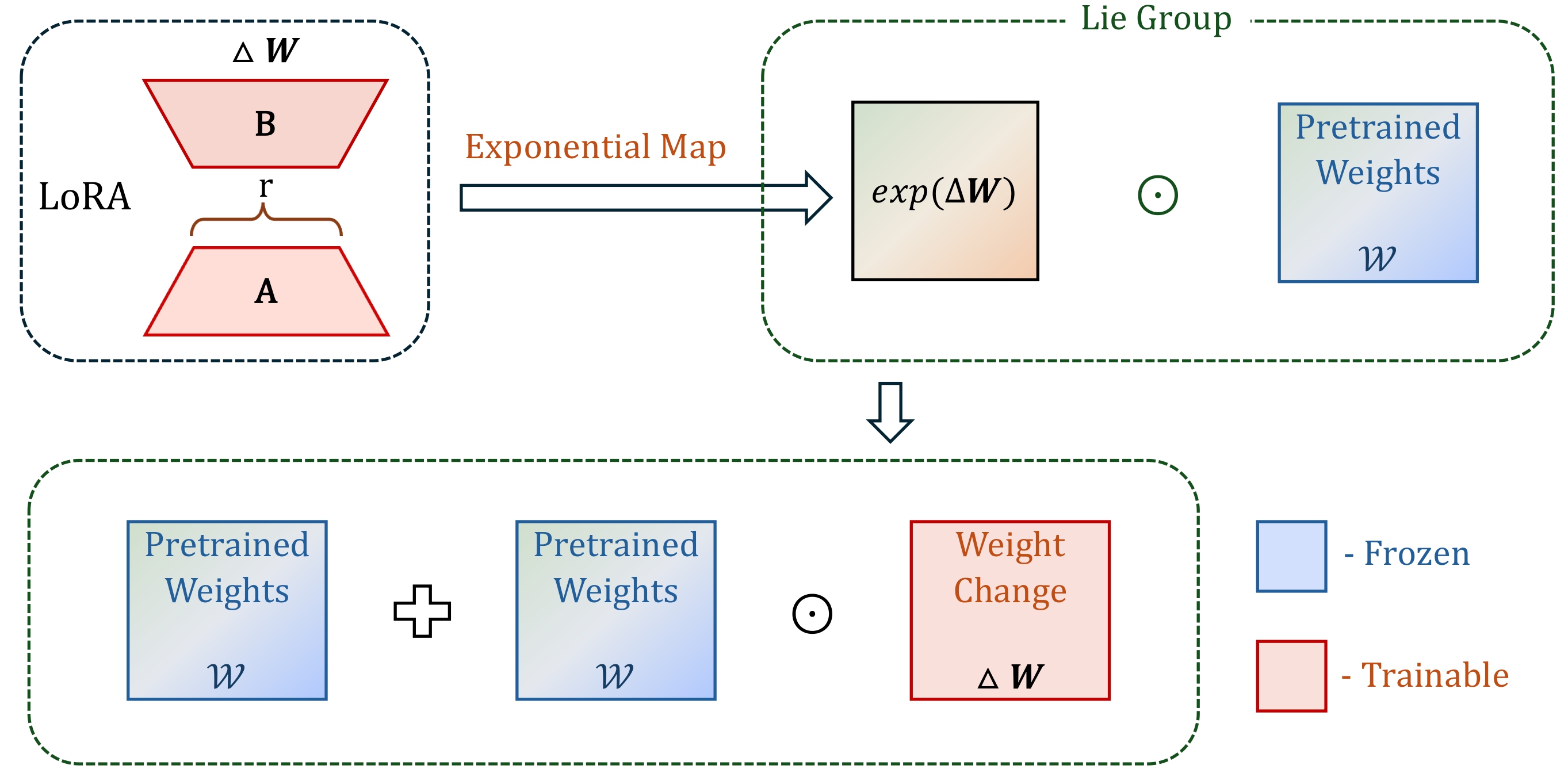
Chongjie Si, Zhiyi Shi, Xuehui Wang, Yichen Xiao, Xiaokang Yang, Wei Shen International Conference on Computer Vision (ICCV), 2025 [Arxiv] [Code] We propose a generalization of matrix-based PEFT to higher-dimensional parameter spaces using Lie group modeling, ensuring structure-preserving updates and demonstrating improved performance across vision and language tasks. |
|
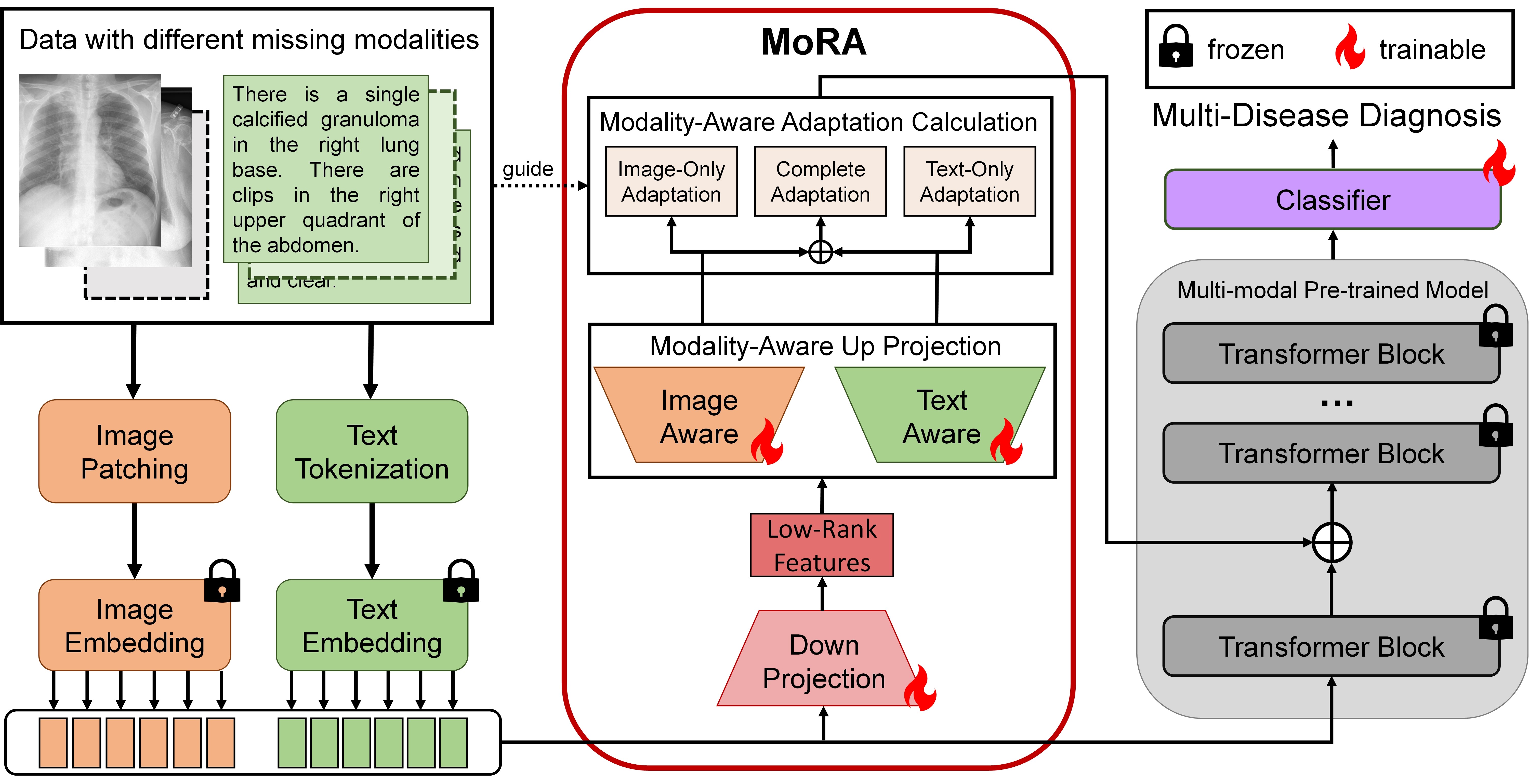
Zhiyi Shi, Junsik Kim, Wanhua Li, Yicong Li, Hanspeter Pfister Conference on Medical Image Computing and Computer Assisted Intervention (MICCAI), 2024 [Paper] [Arxiv] [Code] MoRA is a computationally efficient method for multi-modal disease diagnosis that adapts to missing modalities using modality-specific low-rank projections. |
|
|
|
|